Google Maps SEO Rankings: Local Search Optimization
For businesses, Google Maps ranking serves as a vital component of local SEO. Visibility in local searches and foot traffic are greatly influenced by it. Several elements impact ranking, including profile optimization and customer engagement. For businesses seeking to enhance their presence, understanding these elements is essential. Still, many lack awareness of the exact strategies that can bring about improvement. What methods can businesses use to effectively navigate this landscape for better results?
The Significance of Google Maps Ranking for Local Businesses
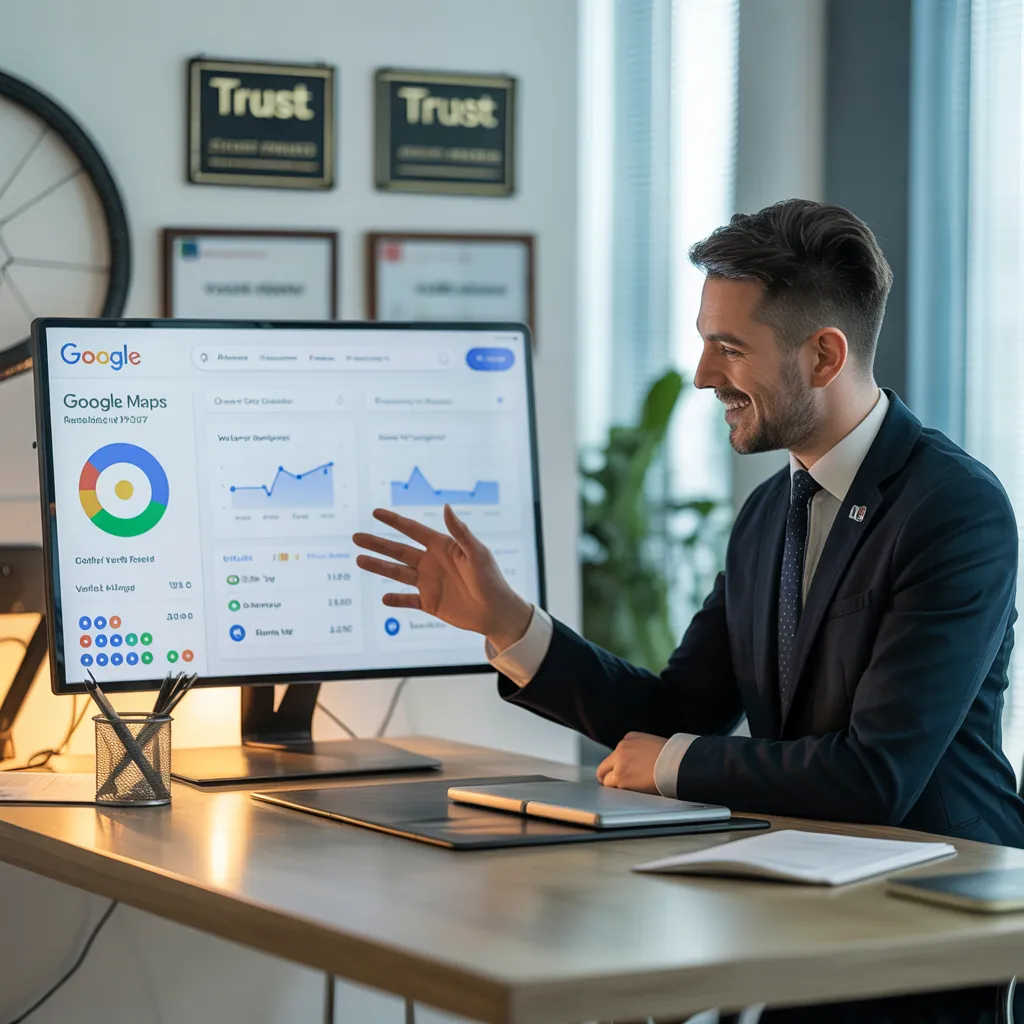
For local businesses working to attract customers, Google Maps ranking importance is evident. A high ranking on Google Maps significantly increases visibility, placing businesses at the forefront of potential customers' searches. This visibility is vital, as numerous consumers depend on maps to locate nearby services and products. When a business appears prominently in search results, it builds trust and strengthens credibility among users.
Additionally, a strong Google Maps ranking can lead to increased foot traffic, driving more customers to physical locations. It also delivers important information such as operating hours, contact details, and customer reviews, all of which assist in consumer decisions. In a competitive market, effective Google Maps optimization represents an important strategy for local businesses aiming to differentiate themselves. Eventually, understanding and leveraging Google Maps ranking can be a game changer in securing and retaining get going customers in an increasingly digital marketplace.
Core Elements Which Impact Your Google Maps Search Ranking
Comprehending the essential elements that affect Google Maps ranking is critical for local businesses. Important factors include efficient optimization of Google My Business, maintaining consistency in Name, Address, and Phone number (NAP), and the significance of local citations. These elements collectively boost discoverability and credibility in local search results.
Google My Business Optimization
How do businesses secure prominent visibility on Google Maps? Google My Business (GMB) optimization is essential for improving visibility. Precise company details, such as name, address, and phone number, need to be regularly maintained. High-quality images and videos serve as engaging visuals that attract potential customers and enhance interaction. Moreover, posting updates and promotions regularly helps keep the GMB listing dynamic and relevant. Inspiring customers to post reviews is important, because positive responses influence rankings and create confidence. What's more, implementing proper categories and keywords aids Google in understanding the business's offerings, producing superior search results placement. Through concentrating on these optimization techniques, companies can significantly improve their likelihood of showing prominently on Google Maps.
The Importance of NAP Consistency
Maintaining NAP (Name, Address, Phone number) consistency across different online platforms is vital for businesses seeking to enhance their Google Maps ranking. Inconsistent NAP information can mislead search engines and potential customers, resulting in diminished visibility in search results. When a business's NAP details are consistent across its site, social media, and other online listings, it demonstrates reliability and authenticity to Google. This uniformity not only strengthens local search ranking but also builds consumer trust, making it more likely for customers to engage with the business. Furthermore, discrepancies can lead to missed opportunities, as customers may struggle to locate or contact the business. Consequently, maintaining NAP consistency is a vital component of a successful local SEO strategy.
Why Local Citations Matter
Local citations serve a vital function in establishing a business's visibility on Google Maps, as they provide crucial information about the company across numerous online platforms. These citations typically include the business name, address, and phone number (NAP), which help establish credibility and trustworthiness. Uniform and correct citations across websites, directories, and social media channels improve a business's local SEO performance. Search engines employ these citations to verify the legitimacy of the business, affecting its ranking on Google Maps. Additionally, the volume and caliber of citations also matter; more reputable sources hold greater weight. Ultimately, successful handling of local citations can significantly improve a business's chances of appearing prominently in local search results.
Tested Techniques to Increase Your Google Maps Standing
Improving Google Maps rankings demands a strategic approach that integrates various optimization techniques. Initially, maintaining accurate and consistent business information across all online platforms is crucial. This includes the business name, address, and phone number (NAP) which should match the details on the Google My Business (GMB) account.
Following this, selecting relevant categories allows Google comprehend the business type and boost visibility. Moreover, optimizing the GMB listing with top-quality images and engaging descriptions can enhance customer experience.
Employing local citations, as mentioned earlier, makes a substantial contribution to credibility and ranking.
Building and sustaining a powerful online presence through a professional website, local backlinks, and social media can also improve authority.
Building and sustaining a solid online presence through a professional website, local backlinks, and social media can also enhance credibility.
Building and sustaining a strong online presence through a professional website, regional backlinks, and social media can also boost credibility.
Building and sustaining a powerful online presence through a high-quality website, area backlinks, and social media can also enhance authority.
Developing and preserving a strong online presence through a high-quality website, regional backlinks, and social media can also increase authority.
Last but not least, utilizing Google Posts maintains the audience informed and engaged, thereby enhancing visibility. Implementing these strategies can bring about improved rankings on Google Maps, allowing businesses easier to find by potential customers.
The Impact of Customer Reviews on Your Google Maps Visibility
Though numerous elements impact a business's visibility on Google Maps, customer reviews serve a crucial function in shaping its online reputation and search ranking. Constructive testimonials can boost a business's credibility, capturing interested buyers and fostering engagement. Establishments with superior scores are typically highlighted in search results, causing them to be more prominent to users. Conversely, negative reviews can discourage prospective customers and reduce a business's ranking.
The number of reviews also plays a significant role; a greater number of reviews demonstrates reliability. Google's algorithms take into account both the quality and frequency of reviews, influencing how a business is shown on the map. Moreover, responding to reviews can additionally enhance visibility, as it shows engagement and customer care. Therefore, actively overseeing customer feedback is vital for businesses seeking to improve their Google Maps presence, ultimately driving traffic and increasing sales.
Using Local Keywords to Boost Your Visibility
Using these keywords in multiple aspects of web presence, such as business descriptions, blog posts, and social media content, can improve search relevance. Additionally, including local landmarks and neighborhoods in keyword strategies can further attract the attention of potential customers.
It is also beneficial to analyze the keywords competitors are using to pinpoint gaps and opportunities. By carefully integrating local keywords throughout their online content, businesses can enhance their chances of appearing higher in local search results, ultimately attracting more customers and strengthening their overall visibility on Google Maps.
A Guide to Tracking Your Google Maps Performance
Monitoring performance on Google Maps is essential for businesses looking to understand their visibility and customer engagement. To begin, companies can leverage Google My Business insights, which provide useful data on how users locate and interact with their listings. Metrics such as searches, views, and actions taken (including calls or direction requests) provide a thorough overview of performance.
Additionally, businesses can utilize third-party tools that analyze local search rankings and competitor visibility. Watching reviews and ratings is also crucial, as they significantly impact local search rankings and customer trust. Regularly analyzing changes in ranking positions for targeted keywords can show shifts in visibility.
Ultimately, measuring customer engagement by means of website traffic generated by Google Maps can offer insights into conversion rates. By utilizing a combination of these methods, businesses can successfully assess and optimize their Google Maps effectiveness, eventually elevating their local SEO initiatives.
Google My Business: A Key Factor in Local SEO
Google My Business (GMB) serves as an indispensable tool in enhancing local SEO, as it permits businesses to oversee their online presence across Google's platforms. By creating and optimizing a GMB listing, businesses can increase visibility in local search results and Google Maps. This platform allows the inclusion of critical information such as business hours, contact details, and location, which are critical for potential customers.
Moreover, GMB facilitates customer engagement through reviews, enabling businesses to respond and showcase their commitment to customer service. Regular updates, including posts and photos, can even more enhance engagement and attract increased numbers of visitors. The insights delivered by GMB help businesses understand customer interactions and adjust their strategies accordingly. In general, a well-managed GMB profile markedly contributes to local search rankings, making it a cornerstone of effective local SEO strategies. Businesses that leverage GMB effectively can expect increased visibility and customer acquisition in their respective markets.
Most Asked Questions
What's the Recommended Frequency for Updating My Google My Business Profile?
Revising a Google My Business profile should take place regularly, preferably every month or whenever significant changes arise. Frequent updates, such as updated services or promotions, improve visibility and engagement with potential customers in the area.
Is Improving My Ranking Possible Without a Physical Storefront?
Yes, one can improve ranking without a physical storefront by enhancing digital visibility, ensuring accurate information, engaging with customers, collecting favorable feedback, and using geo-targeted keywords in your text. Virtual businesses can still compete effectively in virtual marketplaces.
What Are the Hazards of Using Fake Reviews?
Using fraudulent reviews can bring about significant dangers, including loss of credibility, penalties from platforms, and possible legal ramifications. Trust is crucial in business, and misleading practices can greatly harm a firm's reputation and customer relationships.
How Long Will It Take to See Ranking Improvements?
Normally, it takes several weeks to months to witness visible ranking gains after deploying SEO updates. Aspects influencing this timeline include competitive landscape, the performance of tactics used, and the rate of updates from search engines.
Does Poor Google Maps Performance Result in Any Penalties?
Poor performance may result in penalties, including reduced visibility in search results. Issues including erroneous information, poor reviews, and limited engagement may result in reduced rankings, impacting comprehensive online visibility and customer accessibility.